

Defaults explained

Paige
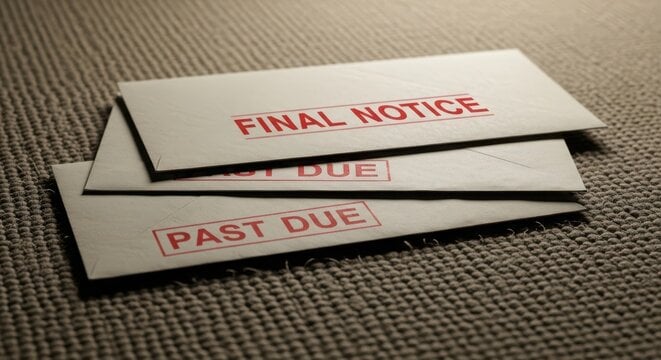
A default is one of the most misunderstood marks on a credit report. People often think any late payment becomes a default, or that paying the debt makes it vanish. Neither is true. Here's how defaults really work, in plain English.
What a default actually is
A default is a record that a debt wasn't paid on time. But a lender can't list one the moment you fall behind. According to the OAIC, three things all have to be true first:
- the payment is at least 60 days overdue,
- the overdue amount is $150 or more, and
- the lender has sent you the required notices asking you to pay.
The steps a lender has to follow
There's a set order a lender must follow before a default can show up. The OAIC lays it out like this:
- They send a notice to your last known address about the overdue payment, asking you to pay.
- They send a second notice at least 30 days later, warning that they intend to report it to a credit reporting body.
- They then wait at least 14 days after that second notice before listing the default.
- And they can't wait more than three months after the second notice to list it.
If those steps weren't followed, the listing might be wrong. And listings that are wrong can be disputed for free, which we cover in our guide to fixing credit report errors.
How long does a default stay?
A default generally stays on your report for five years from the date it was listed. Both the OAIC and the government's Moneysmart service confirm this.
Does paying it remove it?
This is the big one. Paying the debt does not remove the default. Once you pay, the listing can be updated to show the debt as paid or settled, which does look better to future lenders. But the default itself stays for the full five years. A paid default still tells a lender the debt wasn't paid on time to begin with.
What about late payments that aren't defaults?
Separately from defaults, your file carries your repayment history. That's a month-by-month record of whether you paid on time. The OAIC counts you as late if you pay more than 14 days after the due date, and this stays on your report for two years. So even with no default, a run of late payments can change how a lender sees you.
When a default is genuinely correct
Here's the honest bit. If a default was listed correctly, it can't simply be wiped because you'd rather it was gone. Moneysmart is clear that accurate information can't be removed, even when it's negative. Where we help is twofold. We check whether a listing was actually done correctly, and we help you build the habits that strengthen your profile, so one mark carries less weight over time.
Want to know whether a default on your file was listed correctly? Perfect Score combines credit repair with real financial education, and we're partnered with Ausloans Finance Group and Drive Approved. Book a free, no-obligation assessment.
Sources and further reading
General advice warning: This article is general information only. It doesn't take your personal circumstances, objectives or needs into account, so consider your own situation and seek professional advice before making financial decisions. Perfect Score Pty Ltd | Australian Credit Licence 562270 | AFCA member.